

As India’s cryptocurrency user base is projected to cross 100 million in 2026, finding the right trading platform has become a massive talking point. Choosing between a domestic provider and an international heavyweight can completely change your daily trading experience. But when it comes to risking your hard-earned capital, should you stick to a local Indian crypto exchange or move your funds to a global giant? Let’s break down how they stack up across the features that actually matter this year.
Regulatory Peace of Mind and Tax Hassles
India’s crypto rules have tightened fast. Thanks to recent FIU-IND crackdowns, using a registered Indian exchange is the easiest way to survive tax season. Local apps automatically handle the 1% TDS on your trades and generate clean reports for the flat 30% crypto tax (plus surcharges, with no loss offsets allowed). Global platforms are no longer an easy loophole, either. While a few international giants have registered with the FIU to stay online in India, their tax reporting is rarely seamless. Expect full regulatory visibility across the board this year.
Features, Speed, and Asset Choices
If you look at pure variety, international platforms have historically held the crown. However, local alternatives have seriously stepped up their game recently.
Here is how the features break down for traders:
- Token Variety: Global platforms tend to list a broader variety of altcoins, whereas many Indian options stick to a curated list of vetted tokens.
- Trading Tools: International giants often dominate if you want advanced futures, high leverage, and complex staking products, though it is worth noting these advanced products can carry higher regulatory and tax complexity for Indian users.
- Liquidity: Deeper global order books mean less slippage and faster execution speeds during high-volatility market moves.
Getting Your Rupee In and Out
For the everyday retail investor, easily moving fiat currency is make-or-break. This is exactly where domestic platforms win hands down.
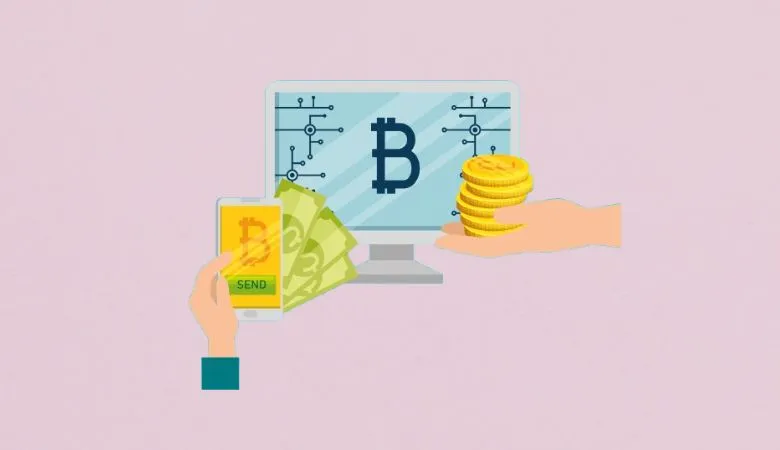
- Frictionless INR Deposits: Indian apps integrate directly with local banks and UPI networks, letting you fund your account instantly.
- The P2P Gamble: Many international apps still rely on Peer-to-Peer (P2P) desks for INR transactions, though direct INR rails are slowly expanding for some FIU-registered global platforms. While functional, P2P trades can expose you to a frustrating risk of bank account freezes if the funds you receive are later linked to fraud or cybercrime complaints.
Customer Service When Things Go Wrong
Crypto runs 24/7, and nothing is worse than a stuck transaction when prices are crashing. Local platforms may offer much better peace of mind here. You get support teams operating in standard Indian time zones, often speaking regional languages. Global platforms tend to hide behind automated AI bots or endless email ticket queues, leaving you hanging for days when a real human needs to look at your issue.
The Final Verdict
Your choice for 2026 really depends on what kind of investor you are. If you are a seasoned trader who needs massive liquidity, leverage, and obscure altcoins, a compliant global platform is hard to beat. But if you just want simple INR bank transfers, easy customer support, and automated tax compliance, a reliable Indian crypto exchange is easily your best bet. Always ensure whichever app you pick is an FIU-registered reporting entity to improve your compliance visibility, but remember that you must still assess the platform’s security, custody, and operational risks yourself.