
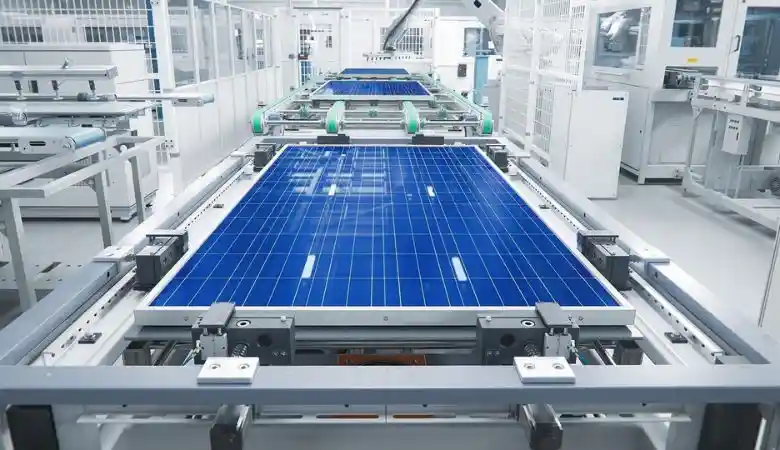
As India accelerates its renewable energy goals, solar power has moved from an alternative energy source to a primary necessity for homes and businesses. With the government’s ambitious targets and the rapid addition of 31.2 GW of non-fossil capacity in FY26 alone, the market is flooding with options. However, for a consumer or business owner, this abundance creates a new challenge: how do you distinguish between a reliable partner and a fleeting vendor? Selecting one of the right solar panel manufacturers in India is the single most critical decision in your solar journey. It determines not only the immediate energy output of your system but also its performance over the next 25 to 30 years.
Understanding Your Specific Energy Needs
Before engaging with solar panel manufacturers in India, you must quantify your energy requirements. A clear understanding of your consumption patterns ensures you don’t overpay for capacity you don’t need or underinvest in a system that falls short.
- Energy Audit: Analyze your electricity bills from the past 12 months to determine your average monthly usage in kilowatt-hours (kWh).
- Site Assessment: Evaluate your available roof space. Standard high-efficiency modules require approximately 60-70 square feet per kilowatt of capacity.
- Shadow Analysis: Identify any permanent structures or trees that cast shadows during peak sun hours (10 AM to 4 PM), as this impacts the type of technology you should choose.
- Financial Planning: Determine whether you intend to purchase the system outright (CAPEX model) or finance it through power purchase agreements (OPEX model), which are often used in the Commercial and Industrial (C&I) sectors.
Researching Right Solar Panel Manufacturers in India
The Indian market hosts a mix of established giants and new entrants. Your research should focus on distinguishing tier-1 manufacturers from assemblers who simply import components.
- Online Verification: Visit the manufacturer’s official website. Look for clear technical datasheets, corporate history, and leadership details.
- Certifications: Verify that the manufacturer adheres to the Bureau of Indian Standards (BIS). Specifically, check for the ALMM (Approved List of Models and Manufacturers) listing, which is mandatory for government-subsidized projects in India.
- International Standards: Look for IEC 61215 (design qualification) and IEC 61730 (safety qualification) certifications. These indicate the panels have withstood rigorous stress testing.
- Market Reputation: Renewable energy companies like Avaada have established strong reputations by consistently delivering high-performance modules across utility-scale and rooftop projects.
Evaluating Product Quality and Technology
Not all solar panels are created equal. In 2026, the industry standard has shifted significantly away from older technologies.
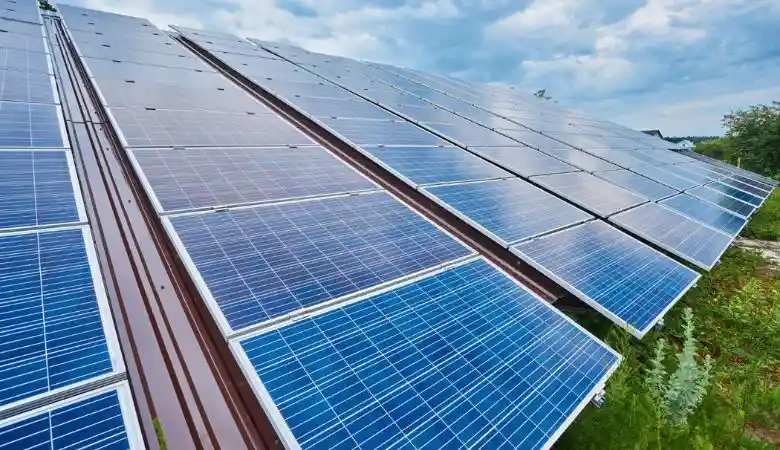
- Module Efficiency: High-performance modules now offer efficiencies exceeding 22%. Higher efficiency means more power generation per square meter.
- Technology Type: Avoid polycrystalline panels, which are now obsolete. Focus on monocrystalline PERC or, better yet, N-type TOPCon technology. Manufacturers like Avaada prioritize bifacial and N-type TOPCon modules, which offer superior performance in low-light conditions and lower degradation rates.
- Bifacial Capability: If you have a reflective surface (e.g., a white roof or concrete), consider bifacial modules that generate power from both sides, increasing total yield.
Assessing Manufacturing Capabilities and Integration
A critical differentiator among solar energy companies is their depth of manufacturing integration.
- Integrated Manufacturing: Prioritizing manufacturers with vertically integrated facilities, where they control the process from silicon wafer to the final module, ensures better quality control. For instance, Avaada operates an integrated manufacturing facility, reducing reliance on external supply chains and ensuring consistent product quality.
- Production Capacity: A manufacturer with large-scale gigawatt (GW) capacity is more likely to have stable supply chains and standardized production processes compared to smaller, boutique assemblers.
Reviewing Financial Stability and Bankability
Solar is a 25-year investment. You need a manufacturer that will exist long enough to honor its warranty.
- Bankability: This term refers to whether financial institutions are willing to finance projects using a specific manufacturer’s products. Tier-1 status often correlates with high bankability.
- Financial Health: Publicly listed companies or those with transparent financial reports are safer bets. The Ministry of New and Renewable Energy (MNRE) has recently shared data with financial institutions to help them assess manufacturers’ viability, ensuring lenders support financially sound companies.
Checking Customer Reviews and References
Technical specifications tell only half the story. Real-world performance provides the rest.
- Case Studies: Ask the manufacturer for case studies of installations in your specific geographic region. A system performing well in Rajasthan may face different challenges in the coastal humidity of Tamil Nadu.
- Client Feedback: Look for reviews regarding the responsiveness of their support teams. Did the company address technical glitches promptly?
- Project Portfolio: Companies often showcase massive utility-scale projects. For example, recent industry updates highlight that entities like Avaada are focused on large-scale projects, including Green Hydrogen Centers of Excellence, signaling high industrial trust.
Understanding After-Sales Service and Support
The warranty is only as good as the service supporting it.
- Product Warranty: Covers defects in materials and workmanship. The industry standard is shifting toward 12 to 15 years.
- Performance Warranty: Guarantees that the panel will produce a certain percentage of its rated power (usually 80-85%) after 25 years. N-Type modules typically offer better performance warranties due to lower degradation (LID).
- Claims Process: Inquire about the process for filing a claim. Is there a local service center in India? Dealing with a manufacturer without a local footprint can make warranty claims nearly impossible.
Focusing on Sustainability and Ethical Practices
For many consumers, the decision to go solar is driven by environmental concerns. It is counterintuitive to buy green energy products from a manufacturer with poor environmental practices.
- ESG Compliance: Review the company’s Environmental, Social, and Governance (ESG) reports. Are they reducing their own carbon footprint?
- Waste Management: Does the manufacturer have a plan for end-of-life recycling? With India projected to generate over 11,000 kilotonnes of solar waste by 2047, choosing a manufacturer committed to circular economy principles is vital.
- Ethical Sourcing: Ensure the supply chain is free from forced labor and adheres to fair trade practices.
Comparing and Making the Decision
Once you have gathered this data, create a comparison matrix.
| Parameter | Manufacturer A | Manufacturer B (e.g., Avaada) |
| Technology | Mono PERC | N-Type TOPCon / Bifacial |
| Efficiency | 20.5% | 22%+ |
| Manufacturing | Assembly Only | Integrated (Wafer to Module) |
| Warranty | 10 Product / 25 Performance | One of the growing companies in the industry |
| Local Support | Dealer only | Direct Company Support |
When you analyze the data, companies that combine advanced technology (like TOPCon) with integrated manufacturing capabilities generally offer an attractive long-term Risk-Reward ratio. While the upfront cost might be slightly higher than generic alternatives, the higher generation and lower degradation rates result in a superior Levelized Cost of Energy (LCOE) over the system’s lifetime.
Why Technical Due Diligence Matters
The Indian solar market is maturing. The focus has shifted from simple capacity addition to quality and reliability. As noted in recent industry reports, the government is encouraging a shift toward “Firm and Dispatchable Renewable Energy” (FDRE) to ensure grid stability. This requires high-quality assets that perform predictably. By following this checklist, you move beyond marketing claims and base your decision on technical competence and financial stability. Whether you are powering a single home or a large industrial complex, the quality of the manufacturer defines the quality of your energy. Choose partners who invest in energy technology, not just those who assemble imported parts.