

As global healthcare demands surge, medical device manufacturers face a pressing question: can your current molding processes keep pace with escalating production volumes without sacrificing the precision patients depend on? High-volume custom plastic injection molding has become the backbone of modern medical manufacturing, enabling companies to deliver everything from surgical instruments to diagnostic components at the scale healthcare systems require.
Yet the challenge runs deeper than simply producing more parts. Regulatory bodies demand unwavering consistency, patients need devices they can trust with their lives, and competitive pressures leave no room for inefficiency.
Balancing quality, precision, and scale represents the central tension in medical device production today. This article explores how advanced precision mold manufacturing, innovative design approaches including 3D printing, optimized injection molding techniques, and strategic contract manufacturing partnerships can help you meet high-volume demands while maintaining the exacting standards the medical industry requires.
The Critical Need for High-Volume Custom Plastic Injection Molding in Medical Devices
High-volume custom plastic injection molding refers to the production of thousands or millions of precisely engineered plastic components tailored to specific medical applications. Unlike standard manufacturing, this process demands tooling and workflows designed to maintain micron-level accuracy across every single unit produced. The medical device sector relies on this capability for everything from disposable syringes and IV connectors to implantable housings and diagnostic cartridges.
Several market forces are intensifying demand. Aging populations worldwide require more medical interventions, emerging markets are expanding healthcare access, and regulatory frameworks like FDA 21 CFR and ISO 13485 mandate rigorous consistency across production runs.
For manufacturers, the pain points are acute: how do you double or triple output when every part must meet identical specifications, when material traceability is non-negotiable, and when a single defective component could trigger a costly recall or endanger a patient?
The overarching challenge isn’t merely producing at scale—it’s building systems where volume and quality reinforce each other rather than compete. Solving this equation requires rethinking tooling, process control, and partnership strategies from the ground up.
Precision Mold Manufacturing: The Foundation for Medical Device Quality
Precision mold manufacturing forms the bedrock upon which every reliable medical device is built. When a mold cavity deviates by even a few microns, the downstream consequences multiply across millions of parts—creating fit issues, compromising fluid dynamics in microfluidic devices, or introducing stress points in load-bearing components.
For medical applications, mold quality isn’t a performance differentiator; it’s a prerequisite for patient safety. The foundation of precision lies in three interconnected factors: material selection, dimensional tolerances, and long-term durability.
Mold steels must resist corrosion from medical-grade resins, maintain hardness through millions of cycles, and accept surface finishes that prevent bacterial adhesion. Tolerances typically need to hold within ±0.005mm for critical features like luer lock threads or snap-fit geometries.
Durability planning means engineering molds that deliver consistent parts at cycle 50,000 just as reliably as at cycle one. Best practices include conducting mold flow analysis before steel cutting, specifying hardened tool steels with appropriate coatings, and establishing preventive maintenance schedules tied to shot counts rather than calendar time.
Integrating Advanced Technologies for Mold Accuracy
Modern precision mold manufacturing leverages multi-axis CNC machining centers capable of achieving surface finishes below Ra 0.1μm, while EDM processes create intricate geometries impossible through conventional cutting.
Simulation software now predicts warpage, sink marks, and fill imbalances before a single chip is cut, allowing engineers to iterate digitally rather than through expensive steel modifications. Coordinate measuring machines and CT scanning validate finished molds against CAD specifications, ensuring every cavity meets medical-grade requirements.
For regulatory compliance, these validation steps generate documented evidence that molds consistently produce parts conforming to ISO 13485 quality management systems, creating an auditable trail from design intent through production reality.
Mastering Injection Molding Techniques for Large-Scale Production
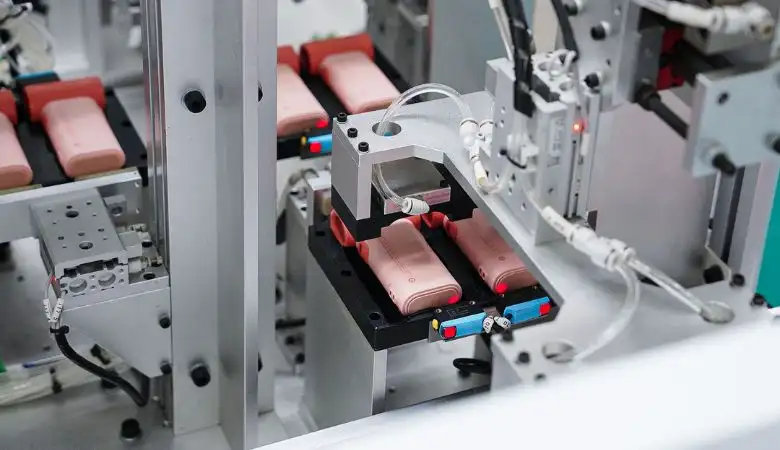
Scaling medical device production to hundreds of thousands or millions of units demands mastery over every variable in the injection molding process. Core techniques for high-volume success begin with scientific molding principles—establishing process windows based on material viscosity curves, pressure profiles, and cooling rates rather than relying on operator intuition.
This data-driven approach ensures that parameters remain locked regardless of shift changes, ambient conditions, or material lot variations.
Cycle time optimization represents one of the most impactful levers for throughput gains. Conformal cooling channels, designed through computational fluid dynamics, can reduce cooling phases by 25-40 percent without introducing warpage or residual stress.
Hot runner systems eliminate material waste from cold runners while maintaining consistent melt delivery across multi-cavity tools. Automated part removal, in-mold labeling, and robotic post-processing further compress non-productive time between shots.
Real-time monitoring systems equipped with cavity pressure sensors and infrared temperature measurement catch deviations within a single cycle, enabling automatic corrections before defective parts accumulate.
Statistical process control dashboards aggregate this data, providing operators and quality teams with immediate visibility into trends that could signal tooling wear or material inconsistencies. Together, these techniques transform injection molding from a reactive operation into a predictive, self-correcting production system capable of sustaining medical-grade consistency at scale.
Innovative Mold Design and 3D Printing for Rapid Development
The intersection of advanced mold design and 3D printing technology is reshaping how medical device manufacturers move from concept to high-volume production. Traditional mold development cycles—often stretching 12 to 20 weeks—create bottlenecks that delay market entry and limit design iteration.
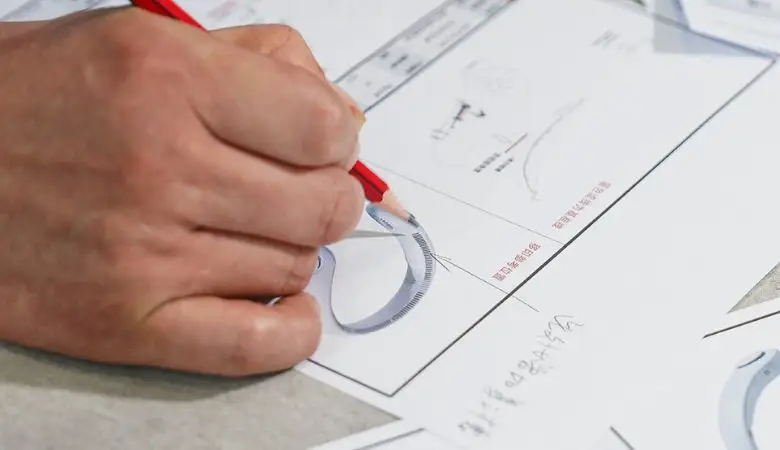
By integrating additive manufacturing into the development pipeline, engineers can produce functional prototype molds or mold inserts within days, testing gate locations, cooling channel configurations, and part geometries long before committing to hardened steel tooling. This rapid feedback loop catches design flaws early when changes cost hundreds rather than tens of thousands of dollars.
For high-volume mold design, several considerations prove critical. Gate placement must balance fill uniformity across all cavities while minimizing vestige on cosmetic or functional surfaces. Parting line strategies need to account for flash prevention over millions of cycles.
Ejection systems must release parts cleanly without introducing deformation on thin-walled medical components. 3D-printed prototype molds allow teams to validate these decisions empirically, running short production trials with actual medical-grade resins to assess dimensional stability, surface quality, and demolding behavior before finalizing production tooling specifications.
Case Studies: Accelerating Prototypes with 3D Printing
A diagnostic cartridge manufacturer discovered through 3D-printed mold inserts that their initial gate design created weld lines directly across a critical optical window, degrading sensor accuracy.
Repositioning the gate on the printed prototype resolved the issue in three days—a fix that would have required weeks of steel rework on production tooling. In another instance, a surgical instrument company used printed conformal cooling inserts to validate thermal management concepts, confirming a 30 percent cycle time reduction before investing in metal-printed production cores.
These examples illustrate how additive manufacturing de-risks high-volume tooling investments, compressing development timelines while ensuring that final molds perform flawlessly from the first production shot onward.
Leveraging Contract Manufacturing Services for Reliable Partnerships
Few medical device companies possess the internal capacity to manage every aspect of high-volume molding independently. Contract manufacturing services bridge this gap, offering specialized expertise, validated equipment, and scalable infrastructure that would take years and significant capital to develop in-house.
The right partner doesn’t simply execute production orders—they become an extension of your quality system, contributing process knowledge and problem-solving capabilities that strengthen your entire supply chain. Companies like WEILAN MFG exemplify how specialized molding manufacturers combine precision tooling expertise with scalable production capacity to support medical device companies navigating high-volume demands.
Selecting a contract manufacturing partner for medical device molding requires evaluating several critical criteria. Certifications matter first: ISO 13485 registration and FDA establishment demonstrate that a manufacturer operates within frameworks designed for medical-grade production.
Beyond paperwork, assess their engineering depth—do they employ scientific molding practitioners who can optimize your process, or merely machine operators running preset parameters? Scalability capacity is equally important; a partner should demonstrate the ability to ramp from initial validation runs to full-scale production without retooling or revalidating.
Examine their quality infrastructure, including in-process inspection capabilities, cleanroom classifications, and material traceability systems. Long-term collaboration yields compounding benefits: as partners accumulate institutional knowledge about your specific devices, they identify efficiency improvements, anticipate tooling maintenance needs, and proactively flag potential compliance risks before they escalate into production disruptions or regulatory findings.
Step-by-Step Solutions to Scale Your Medical Device Molding Operations
Scaling medical device molding operations requires a structured approach that addresses capabilities, technology, and partnerships in sequence.
- The first step involves conducting an honest assessment of your current production infrastructure—identifying bottlenecks in cycle times, quality rejection rates, and capacity utilization. This baseline reveals where investments will deliver the greatest return and where existing systems already perform adequately.
- The second step focuses on investing in precision mold manufacturing that matches your volume ambitions. This means specifying multi-cavity tools engineered for the total lifetime production volume, selecting mold steels and coatings appropriate for your specific resin chemistry, and establishing maintenance protocols that prevent degradation before it affects part quality.
- Third, optimize your injection molding processes through scientific molding methodology—characterizing material behavior, establishing validated process windows, and implementing real-time monitoring that catches drift before it produces scrap. Fourth, integrate 3D printing into your design validation workflow to test critical tooling decisions rapidly and inexpensively before committing to production steel.
- Finally, identify and qualify contract manufacturing partners whose certifications, technical capabilities, and capacity align with your growth trajectory, building relationships that can flex with demand fluctuations while maintaining regulatory compliance throughout.
Implementing a Scalability Roadmap
Turning these steps into sustained results requires a phased roadmap with clear milestones. Begin with capacity planning that projects demand twelve to twenty-four months forward, accounting for product launches, market expansion, and seasonal variations.
Map technology adoption to specific production gaps—if cooling time dominates your cycle, prioritize conformal cooling development; if quality variability drives scrap, invest in cavity pressure monitoring first. Integrate quality control systems that generate data feeding continuous improvement cycles, connecting shop-floor measurements to engineering decisions about tooling modifications or process adjustments.
Establish quarterly reviews with contract manufacturing partners to evaluate performance metrics, discuss upcoming volume changes, and identify opportunities for cost reduction through process refinement. This disciplined approach transforms scaling from a reactive scramble into a predictable, manageable progression that protects both product quality and business margins as volumes grow.
Building a Future-Ready Medical Device Molding Strategy
Meeting high-volume medical device molding demands isn’t a single challenge to overcome—it’s an ongoing discipline that touches every aspect of your manufacturing operation. The manufacturers who thrive in this environment recognize that high-volume custom plastic injection molding requires purpose-built systems where precision mold manufacturing, optimized process control, and strategic partnerships work in concert rather than isolation.
Precision tooling eliminates variability at its source, scientific molding practices lock in consistency across millions of cycles, and 3D printing accelerates the critical design decisions that determine whether production tooling succeeds or struggles.
Equally important, contract manufacturing partnerships provide the specialized infrastructure and expertise that allow companies to scale confidently without building every capability from scratch. The medical device market will only grow more demanding—aging populations, expanding global access, and tightening regulatory expectations guarantee it.
Companies that proactively invest in these interconnected capabilities position themselves not just to meet current volumes but to absorb future growth without compromising the quality standards patients and regulators expect. The time to evaluate your molding operations against these benchmarks is now, before market demands outpace your capacity to respond.