
You look at a modern tech stack today, and it feels like a different universe. A few years ago, the conversation was all about frameworks. React versus Vue. Backend in Node or Python. That world still exists. But something else has slid into the picture. It sits alongside the serious, enterprise-grade tools. It does not replace them. It changes how we approach them. The tech stack of 2026 has a new layer now. It is a layer built for speed, for experimentation, and for a very different kind of developer.
A New Layer in the Stack
Let us talk about what has arrived. The best vibe coding tools 2026 has to offer us are not simple toys. They are deeply integrated platforms. They connect to your codebase. They understand your architecture. They sit right next to your IDE. You open a sidebar. You type in plain English. The tool writes the component. It creates the API route. It updates the database schema. It does all of this within your existing structure. This is not a separate workflow. It is a native part of the stack. Developers now treat it like any other tool in the belt.
The Shifting Role of the Developer
So where does the human fit now? The role has shifted. You are no longer a typist. You are an architect. You design the high-level structure. You define the business logic. You set the constraints. Then you let the vibe coding tool fill in the details. This changes the pace of development. A feature that took two days now takes two hours. The developer steps back. They review. They refine and focus on the parts that require human judgment. The repetitive, predictable code becomes the tool’s job. The creative, strategic decisions remain yours.
Prototyping at the Speed of Thought
The biggest impact is in the prototyping phase. In the old model, prototyping meant building a simplified version. You still had to write real code. It was not that fast. Now, vibe coding tools let you skip that. You can build a fully interactive prototype in a single session. You can test user flows. You can swap out entire design systems with one prompt. This changes how teams work. Designers can prototype without waiting for engineering. Product managers can validate ideas before writing a single requirement. You build. You test. You throw it away. You build again. All in the same day.
Integration with Traditional Tools
You might think these tools work in isolation. They do not. The modern stack weaves them in with traditional tools. Version control is still there. Code reviews are still there. The vibe coding tool generates the code. You commit it to GitHub. Your team reviews it. Your CI pipeline tests it. The generated code looks like human-written code. It follows your style guide. It uses your existing components. The tool adapts to your stack. You do not adapt to the tool. It learns your patterns. It becomes an extension of your existing workflow.
Where Human Expertise Still Matters
Let us be clear about one thing. Expertise still matters. It matters more now. You need to know what to ask for. You need to understand system design. You need to spot when the generated code introduces technical debt. You need to know when to say no to the tool’s suggestion. The junior developer who only knows how to prompt will hit a wall. The senior developer who understands architecture will build circles around everyone. You guide the tool. You set the boundaries. You ensure the final product is maintainable and secure.
The Rise of the Hybrid Workflow
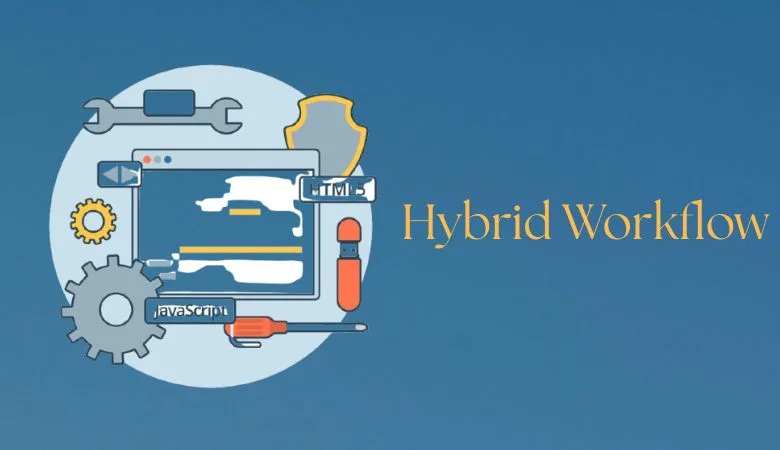
The most successful teams in 2026 use a hybrid workflow. They start with a vibe coding tool for rapid iteration. They generate the core structure. They build the initial features. They test multiple approaches. Then they hand off to traditional development for the final polish. The vibe tool handles the 80 percent. The human handles the 20 percent that requires nuance. This split changes resource allocation. You do not need a large team to validate an idea. You need one person with vision and the right tools. The vibe tool accelerates the discovery phase. It makes failure cheap. It makes success faster to reach.
The New Stack Defined
So what does the 2026 tech stack actually look like? It looks like this. You have your core frameworks. React, Vue, or Svelte on the frontend. Node, Python, or Go on the backend. Your database of choice. Your cloud provider. That is the foundation. Layered on top is the vibe coding tool. It connects to everything. It understands your schema. It knows your component library. It sits between you and the code. Then you have your human expertise. The stack is no longer just a list of technologies. It is a partnership.
Looking Ahead
We are still early in this shift. The tools will get more sophisticated. They will understand larger codebases. They will handle more complex logic and that line between human-written and AI-generated will blur further. But the core principle will stay. The stack exists to serve the creator. Vibe coding tools are not a fad. They are a natural evolution. For anyone building software today, they are a fundamental part of how we work. The stack has grown. And for the first time, it feels less like a barrier and more like a collaborator.