
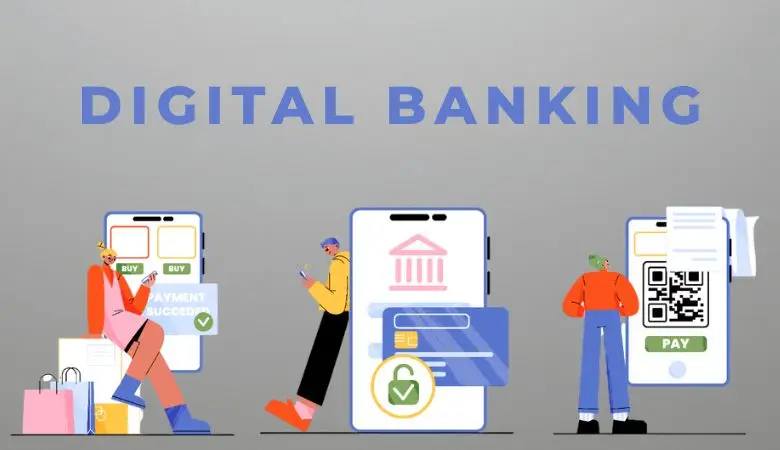
The relationship between technology and personal finance has never been closer. Over the past decade, a wave of app-first banks and digital-native financial products has quietly reshaped what people expect from their money — faster access, clearer interfaces, and tools that actually explain what’s happening with their funds.
For most of that time, traditional savings accounts sat on the sidelines. But that’s no longer the case.
The Friction Problem in Traditional Banking
Opening a savings account used to involve paperwork, branch visits, and waiting. For younger, mobile-first users, that friction was enough to delay saving altogether — or push them toward informal alternatives like keeping cash in a current account where it earned nothing.
The rise of digital banking has made the barrier to entry almost disappear. A product like the Roarbank savings account represents this shift: account setup is handled entirely online, interest rates are competitive with little fine print, and the experience is designed around clarity rather than complexity. It’s worth noting that theroarbank.in is not a separate bank, but an initiative of Unity Small Finance Bank Limited, which provides the regulated banking infrastructure behind the streamlined digital experience.
That usability gap between old-model banks and digital-first platforms is now significant enough that it’s influencing financial behaviour at scale.
Why UX Matters More Than We Admit
There’s a tendency to treat financial decisions as purely rational — you compare rates, you pick the best one. But research consistently shows that interface design, notification timing, and default settings have an outsized influence on whether people actually save.
A well-designed digital savings product does several things that legacy banks still struggle with:
- Shows real-time interest accrual rather than a quarterly statement
- Sends nudges tied to spending patterns, not arbitrary calendar dates
- Removes the friction of transfers with instant movement between accounts
- Displays progress toward goals in a way that feels tangible, not abstract
These aren’t cosmetic features. They change how people engage with their own money.
The Broader Tech Stack Behind Modern Savings
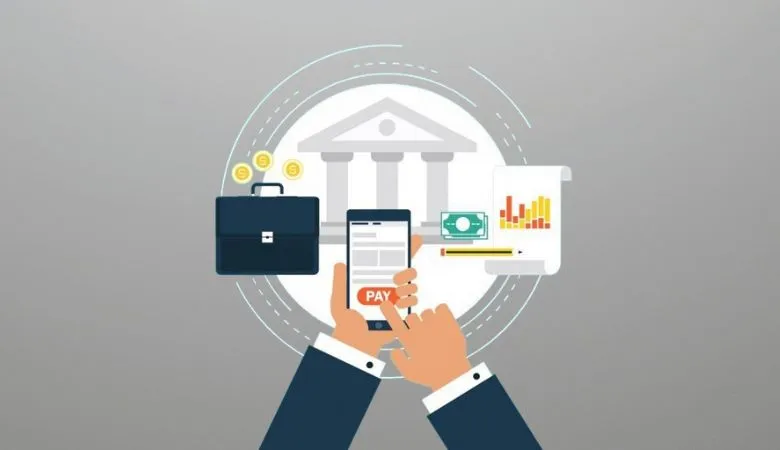
What looks like a simple savings account on the front end is usually built on a fairly complex architecture: open banking APIs, cloud-native core banking infrastructure, and machine learning models that personalise rate tiers or flag unusual activity.
For tech professionals especially, understanding this layer matters — both as users and as people building adjacent products. The fintech space is increasingly one where software engineers, product designers, and data scientists are directly shaping financial outcomes for millions of users.
The integration of real-time data pipelines into banking apps means that the gap between “saving tool” and “financial intelligence platform” is narrowing fast.
What Comes Next
Embedded finance is the logical extension of this trend. The idea that savings functionality can live inside a non-banking app — a payroll tool, a freelance platform, an e-commerce dashboard — is already moving from concept to production in several markets.
The technology is largely ready. The remaining challenge is regulatory clarity and user trust, two areas where incumbents still hold an advantage, but where digital challengers are closing ground with every product cycle.