
Marketing is how a business reaches people, builds trust, and turns attention into sales. There are many types of marketing, and each one can help a business reach its audience in a different way. You can do it online, offline, or through a mix of both.
The right method depends on your product, audience, budget, and goal. For example, a local shop may gain more from local marketing, while a software company may focus on SEO, email, content, and paid ads.
Based on how marketing works today, here are some of the most useful methods and types of marketing for brands in 2026.
1. Brand Marketing
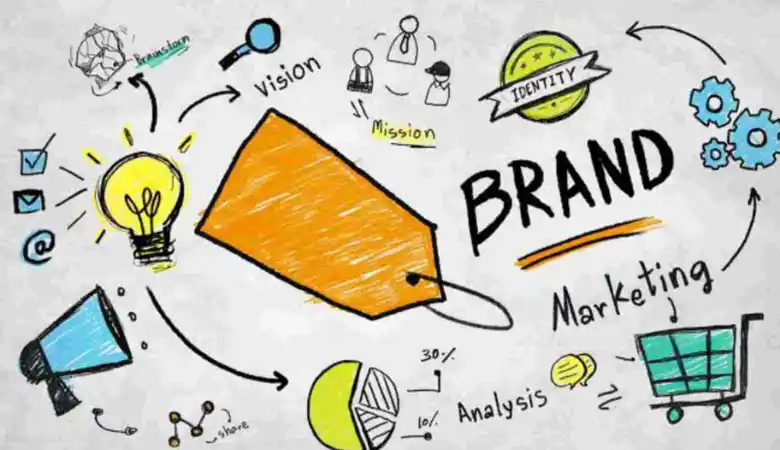
Brand marketing focuses on how people see and remember your business.
It is not only about your logo. Your tone, values, design, customer service, and public image all define your brand.
For example, Pepsi has used campaigns such as “Pepsi Generations” to connect its brand with pop culture and different age groups.
A strong brand can also help you stand out when many businesses sell identical products.
2. B2B Marketing
‘B2B’ means ‘business to business’. It is used when one company sells a product or service to another company.
For example, a company that sells cloud software may market its service to banks, schools, or other businesses.
The buying process is often longer than a normal consumer purchase. Several people may also take part in the decision.
Therefore, B2B campaigns often use case studies, product demos, email, SEO, webinars, and sales teams to build trust.
3. B2C Marketing
B2C means business to consumer. It is used when a company sells directly to people.
Online stores, food brands, clothing companies, mobile apps, and streaming services often use this method.
A B2C campaign may use short videos, offers, reviews, social media posts, email, and paid ads to reach potential buyers.
However, price is not the only factor. Your message, trust, reviews, product quality, and customer experience can also affect a purchase.
4. Content Marketing
Content marketing uses useful information to attract and keep an audience.
This can include blog posts, videos, guides, podcasts, newsletters, case studies, and social posts.
The Content Marketing Institute describes it as a strategy based on creating and sharing useful and relevant content to attract and retain a clear audience.
For example, a camera company can publish a guide on how to choose a camera instead of only asking people to buy one.
In my view, this is one of the most useful methods for businesses that want to build trust over time.
5. Digital Marketing
Digital marketing covers marketing done through digital platforms.
It includes SEO, social media, email, online advertising, video, content, and other online methods.
The main benefit is that many digital campaigns can be measured. You can track clicks, visits, leads, sales, and other actions.
However, digital marketing is not one single method. It is a broad area that includes several methods listed in this guide.
6. SEO Marketing
SEO helps your website appear when people search for information, products, or services on search engines.
For example, a dental clinic may create a page about “teeth cleaning” to reach people who are looking for that service.
Good SEO starts with useful content and a clear understanding of what your audience wants.
Google says its systems are designed to favor helpful and reliable content created for people rather than content made mainly to manipulate search rankings.
So, you should focus on answering real questions instead of filling pages with repeated keywords.
7. Social Media Marketing (SMM)
Social media marketing uses platforms such as Instagram, Facebook, YouTube, LinkedIn, and Snapchat to reach an audience.
You can use social media to build awareness, answer questions, share content, promote products, and support customers.
The format has also changed. Short videos, live content, creator posts, and visual content now play a major role.
HubSpot’s 2026 marketing data reports that short form video is the most leveraged content format among marketers, while video remains a major part of business marketing.
8. Email Marketing
Email marketing allows a business to communicate directly with people who have joined its email list.
You can use email to send product news, offers, useful tips, reminders, and updates.
For example, an online store may send a welcome email after someone joins its list. Later, it may send product suggestions based on the person’s interests.
Email remains useful in 2026. HubSpot reports that 75% of marketers plan to maintain or increase their email investment in 2026.
9. Influencer Marketing
Influencer marketing uses creators who already have an audience and a level of trust within a specific area.
A fitness brand, for example, may work with a fitness creator to present its product.
The best match is not always the creator with the largest audience. A smaller creator with a strong connection to the right audience may achieve better results.
Therefore, check audience quality, engagement, content style, and brand fit before choosing a creator.
10. Affiliate Marketing
Affiliate marketing allows other people or businesses to promote your product in return for a commission.
A common example is a website that reviews laptops and earns a commission when a reader buys through its tracked link.
This model can be useful because the brand pays based on an agreed result, such as a sale or lead.
However, your affiliate program should have clear rules. Partners should also disclose commercial relationships where required.
11. Video Marketing
Video marketing uses video to explain, promote, or demonstrate a product or service.
It can include YouTube videos, short videos, live streams, product demos, tutorials, and customer stories.
Video is now a major part of many marketing plans. HubSpot’s 2026 data says 91% of businesses use video as a marketing tool.
For your business, even a simple product demo can be useful if it answers a real customer question.
12. Influencer and Creator Marketing
Creator marketing has become more important as audiences follow individuals as well as brands.
The key difference is that the creator can bring their own style and community to your campaign.
For example, a beauty brand may work with several small creators who make product tutorials for different audiences.
This approach can feel more natural than a standard advertisement. Still, your brand should check whether the creator’s audience matches your target customer.
13. Performance Marketing
Performance marketing focuses on measurable actions.
These actions may include a sale, app install, lead, registration, or website visit.
Paid search and paid social campaigns can be managed using this approach. You can compare the money spent with the results received.
For example, if you spend Rs. 20,000 on ads and receive Rs. 60,000 in tracked sales, you can study the campaign and decide whether it should be increased.
The numbers should be checked carefully because not every sale can be linked perfectly to one channel.
14. Experiential Marketing
Experiential marketing allows people to interact with a brand through an event, activity, demonstration, or real world experience.
For example, a food company may create a tasting event where customers can try a new product.
This method can create stronger memories than a simple advertisement because people take part in the experience.
It can also work well when a brand wants people to create and share their own content.
15. Local Marketing
Local marketing focuses on people in a particular city, area, or community.
It is especially useful for restaurants, clinics, salons, repair services, stores, gyms, and other businesses that serve nearby customers.
A local business can use Google Business Profile, local SEO, reviews, social media, local events, and targeted ads.
For example, a restaurant in Delhi may create content for people searching for restaurants in its local area rather than trying to reach customers across India.
Which Method Should You Choose?
You do not need to use each and every method listed above.
Start with your goal. If you want more search traffic, SEO and content may be useful. If you want quick reach, paid advertising or social media may help.
If you sell to other companies, B2B methods such as email, SEO, case studies, and LinkedIn can be useful.
For an online store, you may combine SEO, social media, email, video, affiliate marketing, and paid ads.
Your budget also matters. A small business can start with useful content, local SEO, email, and organic social posts before spending heavily on advertising.
How Marketing Has Changed in 2026
The biggest change is that customers now move between many channels before making a decision.
A person may see a product on social media, search for reviews, watch a video, visit the website, read comments, and then buy it.
Because of this, brands should not depend on one channel alone.
Google also recommends publishers to create content that gives people a satisfying answer and adds original information or analysis.
In practice, this means your strategy should connect your channels. Your social post can bring attention. Your website can explain the product. Your email can build the relationship. Your sales page can then help the customer take action.
My Final Thoughts
There is no single best marketing method for every business.
Your product, audience, budget, location, and business goal should guide your choice. Start with one or two channels that match your customers and measure the results.
As your business grows, you can add more methods.
The strongest strategy is usually not about using the most channels. Instead, it is about choosing the right channels and giving people useful information at the right time.