HR teams have always been responsible for keeping people’s development on track. What’s changed is how much the tools available to do that have evolved and how quickly. Platforms that were considered advanced three years ago are now baseline expectations, and the organizations that aren’t paying attention to where things are heading tend to find out they’ve fallen behind at the worst possible moment.
The trends shaping learning technology right now aren’t abstract. They have direct implications for how HR teams structure development programs, justify budgets, and retain the kind of talent that has options.
A learning management system, the platform category that sits at the center of most organizational training infrastructure, is no longer a passive content delivery tool. What it’s becoming is worth understanding before the next platform decision, budget cycle, or workforce planning conversation.
AI Is Moving From Feature to Foundation
Artificial intelligence has been a selling point in learning platform marketing for a few years now. What’s shifting is the depth of the implementation. Early AI features were largely cosmetic, content recommendations based on role, basic search improvements, and automated notifications.
The more recent development is AI that actually changes the learning experience in meaningful ways. Adaptive content sequencing that responds to how a learner is performing in real time. Skills gap identification that surfaces development needs before a manager or employee has articulated them. Automated content generation that reduces the production burden on L&D teams without sacrificing quality.
HR teams evaluating platforms should be asking specific questions about how AI functions rather than accepting it as a checkbox. The difference between genuine capability and a marketing label is significant.
Skills Data Is Becoming Central
The shift toward skills-based talent management has been building for a while, and learning platforms are increasingly positioned as the system of record for skills data across the workforce. Not just what courses someone completed, but what competencies they’ve demonstrated, what gaps exist, and how individual development connects to organizational capability needs.
That shift has real implications for HR. When learning data and skills data are the same thing, tracked in one place, visible across talent functions, development conversations get more specific, succession planning gets more grounded, and hiring decisions get informed by a clearer picture of what the organization actually has versus what it needs.
The Demand for Shorter Content Isn’t Slowing Down
Attention economics haven’t changed in favor of long-form training. Employees operating in meeting-heavy, notification-saturated workdays are not getting more patient with sixty-minute courses that could cover the same ground in twenty.
Microlearning has been discussed as a trend for long enough that it risks sounding tired, but the operational reality is that many organizations are still delivering content in formats built around what’s convenient to produce rather than what’s effective to consume. The platforms pushing toward shorter, more modular content structures, and the analytics to show that retention actually improves, are the ones worth watching.
Compliance Training Is Getting Smarter
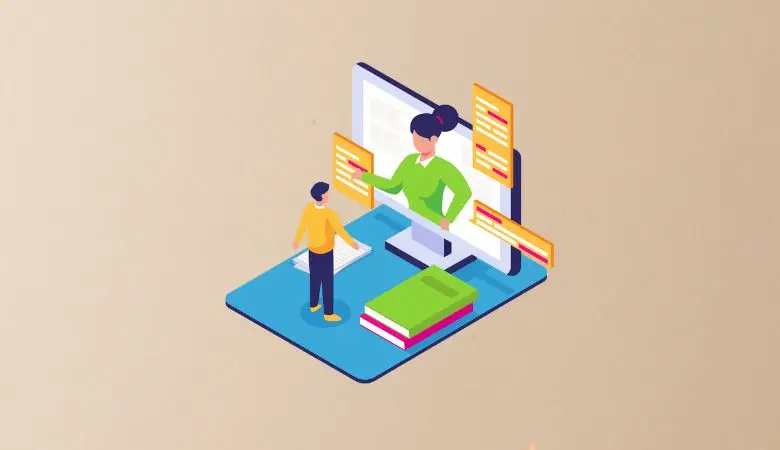
Compliance has historically been the part of corporate learning that everyone treats as a necessary inconvenience. Mandatory, tracked, and largely resented. The content tends to be dry, the formats dated, and the completion rates achieved through obligation rather than engagement.
Some platforms are changing this by applying the same personalization logic used in skills development to compliance content. Employees see modules relevant to their role and location rather than a blanket program designed for the entire organization. Assessments adapt based on demonstrated knowledge. Recertification triggers automatically rather than requiring HR to run manual tracking reports.
It doesn’t make compliance exciting. It does make it less of an administrative burden and more likely to actually land.
Integration Expectations Keep Rising
Standalone platforms are becoming harder to justify. HR teams are under pressure to connect learning data to performance management, HRIS, succession planning, and workforce analytics, and the expectation that those integrations work cleanly and require minimal ongoing maintenance is only growing.
Platforms that treat integration as an afterthought create operational overhead that eventually lands back on HR. The ones investing in native connections to the broader HR tech stack reduce that friction in ways that add up meaningfully over time, particularly in larger organizations managing multiple systems simultaneously.
Manager Visibility Is Getting More Attention
One of the consistent gaps in learning platform design has been the manager experience. Employees use the platform to learn. HR uses it to track and report. Managers, who are often best positioned to connect learning to on-the-job application, have historically had limited visibility into what their teams are doing developmentally.
Newer platforms are building dashboards and workflows specifically for managers, not just read access to completion data, but tools that help facilitate development conversations, flag skill gaps on their teams, and recommend relevant content without requiring the manager to become a power user of the platform themselves.
What HR Teams Should Take From This
The platforms worth investing in are the ones treating learning infrastructure as a talent function, not just a training delivery mechanism. The trends above point in the same direction — more connected, more personalized, more tied to outcomes that matter beyond the L&D team itself.
Staying current on where the category is heading isn’t just useful for the next procurement decision. It shapes how HR frames the value of learning investment to leadership, and that conversation only gets more important as development budgets face scrutiny.